Water Heater Lifespan at Altitude: Why Castle Rock Heaters Die Younger
A water heater installed in Castle Rock at 6,202 feet above sea level faces conditions that reduce its service life compared to the same unit at Denver's 5,280 feet or at sea level. The combination of altitude-related combustion stress and Castle Rock Water's moderate hardness creates an accelerated wear pattern that Castle Rock homeowners should factor into their replacement planning.
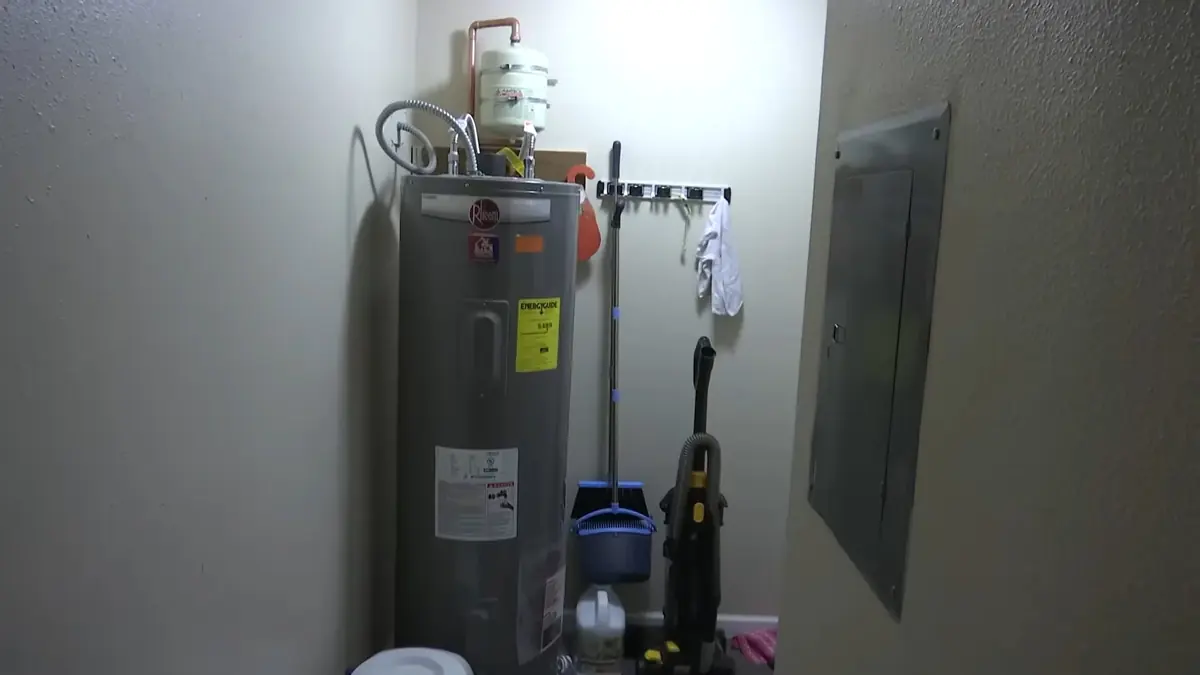
How altitude affects gas water heater combustion
Gas water heaters are rated at sea level combustion conditions. At 6,202 feet, the air is approximately 20 percent less dense than at sea level, which means 20 percent less oxygen reaches the burner per unit of gas burned. The result is a measurably lower BTU output per hour than the nameplate rating suggests. A water heater rated at 40,000 BTU/hr at sea level may deliver 32,000 to 34,000 BTU/hr at Castle Rock's elevation in standard installation conditions.
This reduced output means the burner runs longer to heat the same tank volume. Longer run times accumulate more burner hours per year than the manufacturer's life expectancy calculations assume. It also means recovery after a large hot water draw is slower in Castle Rock than the specification sheet suggests, which can surprise homeowners who moved from lower-elevation locations.
Many newer gas water heaters have altitude adjustment provisions: an adjustment screw on the gas valve or, for power-vent models, a software parameter that adjusts the air-to-gas ratio for the local elevation. A water heater that was not altitude-adjusted at installation in Castle Rock will run at reduced efficiency and may exhibit delayed ignition or inconsistent flame behavior. Castle Rock Plumbing Pros adjusts all gas water heater installations for Castle Rock's 6,202-foot elevation.
How hard water shortens tank life in Castle Rock
Castle Rock Water's 120 to 180 ppm hardness accelerates sediment accumulation on the tank floor and heating element. Calcium carbonate settles out of the water as it is heated and falls to the tank bottom. Without annual flushing, this sediment layer insulates the heating element (in electric heaters) or the tank floor above the burner (in gas heaters) from the water. The element or tank surface runs hotter to compensate, which accelerates both element failure and tank liner deterioration.
The magnesium or aluminum anode rod that protects the tank interior from corrosion also consumes faster in hard water conditions. An anode rod that might last 8 to 12 years in a soft water market can be substantially depleted in 5 to 7 years in Castle Rock's hard water. Once the anode is depleted, the tank steel is exposed to corrosion. Tank failure from internal corrosion (the wet rust stain on the floor beneath the water heater) typically follows within 1 to 3 years of anode depletion.
Expected service life in Castle Rock
A conventional gas tank water heater in Castle Rock that receives annual flushing and anode rod inspection can reasonably achieve 12 to 15 years of service. Without annual maintenance, 8 to 12 years is more typical. Electric tank water heaters follow a similar pattern, with element replacement often needed at the 7-to-10-year mark in hard water conditions. Tankless water heaters, with annual descaling, can last 20 years or more; without annual descaling in Castle Rock's hard water, heat exchanger failure from calcium fouling can occur at 8 to 12 years.
When to replace vs. repair in Castle Rock
A gas water heater over 12 years old in Castle Rock, or an electric heater over 10 years old, that experiences its first failure (pilot light that won't stay lit, inconsistent temperature, visible tank rust) is typically at the point where replacement makes more economic sense than repair. The remaining service life in a unit that age is short, and repair costs applied to a unit near end of life will not recover those costs in extended service.
A heater under 8 years old with a specific repair need (thermocouple, thermostat, anode rod) is a reasonable repair candidate if the tank itself is in good condition and the unit was properly installed for Castle Rock's altitude. Castle Rock Plumbing Pros provides an honest assessment of repair vs. replacement at each service call, including the expected remaining service life of the existing unit.
Water heater service in Castle Rock
Castle Rock Plumbing Pros repairs, replaces, and altitude-adjusts water heaters across Castle Rock and Douglas County. (720) 698-9364