Sump pump service in a basement city
Castle Rock's housing stock is defined by its basements. The Denver Basin geology and the building conventions that followed from it mean that nearly every single-family home built in Castle Rock from the 1980s onward has a full or partial basement. In most of those homes, a sump pump is the primary line of defense against groundwater intrusion during snowmelt and rain events.
The Pierre Shale and Niobrara clay soils that underlie much of Douglas County retain moisture for extended periods, which means a wet spring in Castle Rock keeps water pushing against foundation walls and floor slabs for weeks after the last precipitation. Add the snowpack from a typical Front Range winter, and the sump pump in a Crystal Valley Ranch or Cobblestone Ranch basement may run for three to four consecutive months before conditions dry out.
A sump pump that was working fine in September may be struggling by March, particularly if it is approaching the end of a typical 7-to-10-year service life. Castle Rock Plumbing Pros installs new sump systems, replaces aging units, and responds to emergency failures during active flood events.
Sump pump installation: what the job covers
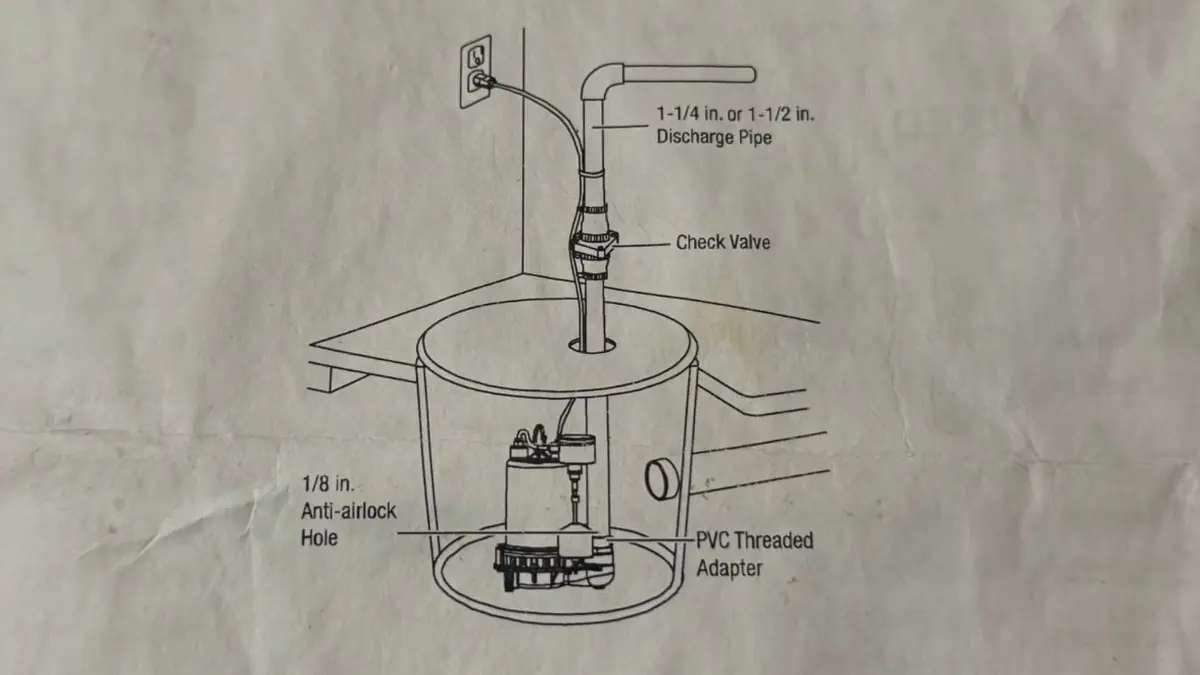
New sump system installs. For basements without an existing sump pit, installation begins with cutting the concrete floor and excavating a basin sized for the expected water volume. Basin diameter and depth affect pump selection: too small a pit and the pump short-cycles, which shortens motor life; too large and a small pump may not keep up during peak inflow. The basin is lined, a submersible pump is installed on a stable base at the bottom, a check valve is fitted on the discharge line to prevent backflow, and the discharge is routed to daylight well away from the foundation.
Pump replacement. Replacing an aging pump in an existing pit takes less time than a new install. The old pump, float switch, and check valve are removed, the pit is cleaned, and a properly sized replacement is set. Float switch height is adjusted to the correct trigger point for the basin. The discharge line is inspected for proper slope and routing.
Battery backup systems. Battery backup units mount next to the primary pump and connect to a dedicated battery. They activate automatically when the float rises and the primary pump does not respond, either because power is out or because the primary pump has failed. Most Castle Rock homes benefit from a unit rated for at least 8 to 12 hours of runtime at full load, which covers most residential power outage events during storm periods.
Signs your sump pump needs service or replacement
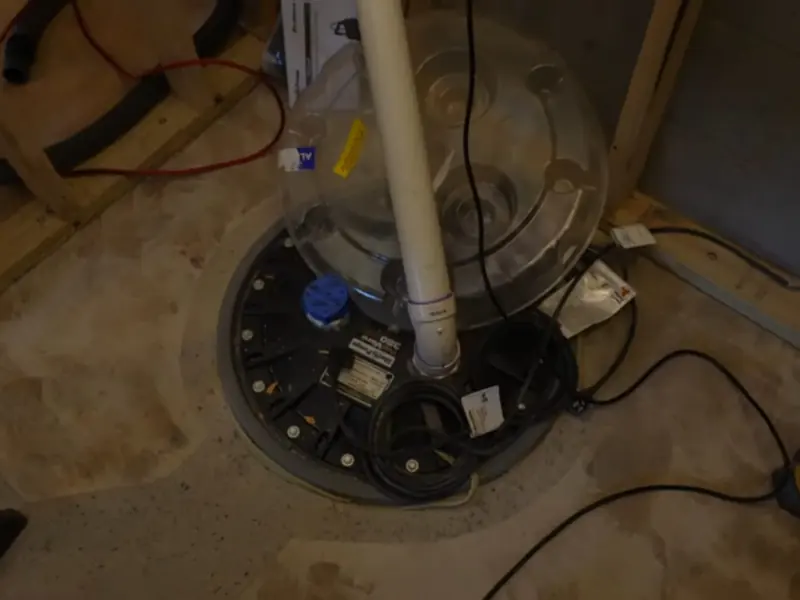
A sump pump that is failing often gives warning before it stops entirely. Loud grinding or rattling during operation points to motor bearing wear or debris in the impeller. A pump that runs constantly without the pit emptying may have a stuck float switch, a failed check valve allowing discharge water to re-enter the pit, or an undersized motor for current inflow conditions. A pump that activates late or not at all when water rises suggests a float switch issue or power supply problem at the outlet.
Age alone is a reason to evaluate. After 7 to 10 years of operation, sump pump motors have typically cycled enough times that internal wear begins reducing efficiency. A unit that is still working in year 9 is a candidate for proactive replacement before the first major spring snowmelt, not after it fails mid-event.
Sump pump service costs in Castle Rock
| Service | Typical Range |
|---|---|
| Sump pump replacement (existing pit) | $600 to $1,200 |
| New sump pit excavation and install | $1,200 to $2,500 |
| Battery backup system add-on | $350 to $700 |
| Float switch replacement | $100 to $250 |
| Check valve replacement | $80 to $200 |
| Discharge line repair or rerouting | $150 to $450 |
Prices are approximate ranges for Castle Rock and Douglas County. Final pricing based on basin conditions, discharge line length, and selected equipment. Quote provided before work begins.
Frequently asked questions: sump pumps in Castle Rock
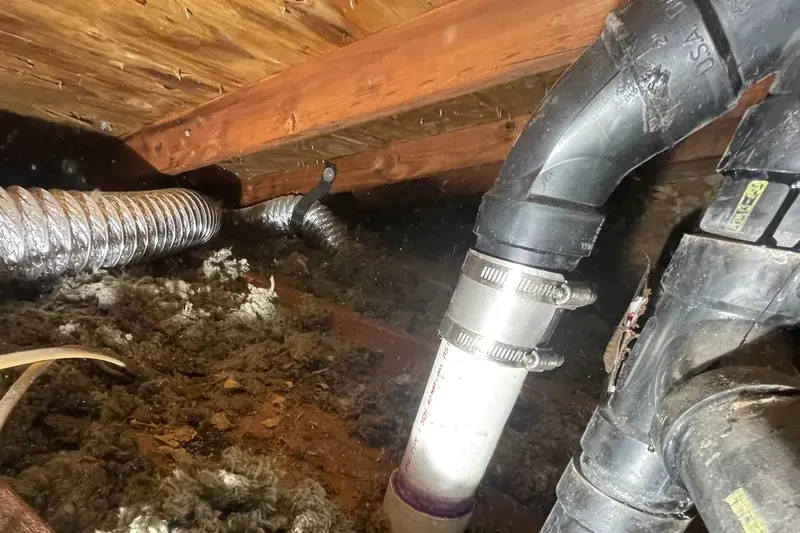
A pump over 7 to 10 years old, one that runs constantly without draining the pit, one that makes loud grinding or rattling sounds, or one that fails to activate when you pour water into the pit are all candidates for replacement. If the pump ran dry or was submerged during a power outage, the motor may be damaged even if it appears to work intermittently.
Most Castle Rock basements work well with a 1/3 to 1/2 horsepower submersible pump rated for 1,800 to 3,000 gallons per hour. Basements with high water table exposure in areas like Crystal Valley Ranch or those that experienced flooding during the December 2022 bomb cyclone may benefit from a higher capacity unit. The correct size depends on basin dimensions, discharge line run length, and observed water infiltration during high-flow events.
For basements with anything stored or finished in them, yes. Colorado winter storms that generate the most snowmelt runoff are frequently the same storms that cause power outages. A battery backup unit activates automatically when utility power fails and keeps water moving out of the basin until power is restored. The cost of a backup unit is typically far less than the cost of remediating a flooded finished basement.
Constant cycling usually means the float switch is set too high, the discharge line is routing water back into the pit, the pit is undersized for the local water table, or the pump motor is underpowered for the inflow rate. In spring, some frequent cycling is normal during heavy snowmelt. Constant year-round running warrants inspection.