Basement plumbing in Castle Rock's basement-heavy housing market
More than 95 percent of Castle Rock single-family homes have basements. The Denver Basin geology that makes deep excavation practical, combined with the region's building conventions, means that virtually every home built in the Douglas County communities since the 1970s has a full or partial basement. For Castle Rock homeowners, that basement represents significant living space potential, and adding plumbing is one of the most valuable finishing steps.
A basement bathroom adds measurable resale value in the Douglas County real estate market. A finished basement with a bathroom commands significantly more per square foot than the same space without one. The rough-in cost, which locks in the drain and supply stub-outs in concrete before the floor is finished, is the smart time to invest in basement plumbing before any finishing work begins above it.
Basement bathroom rough-in
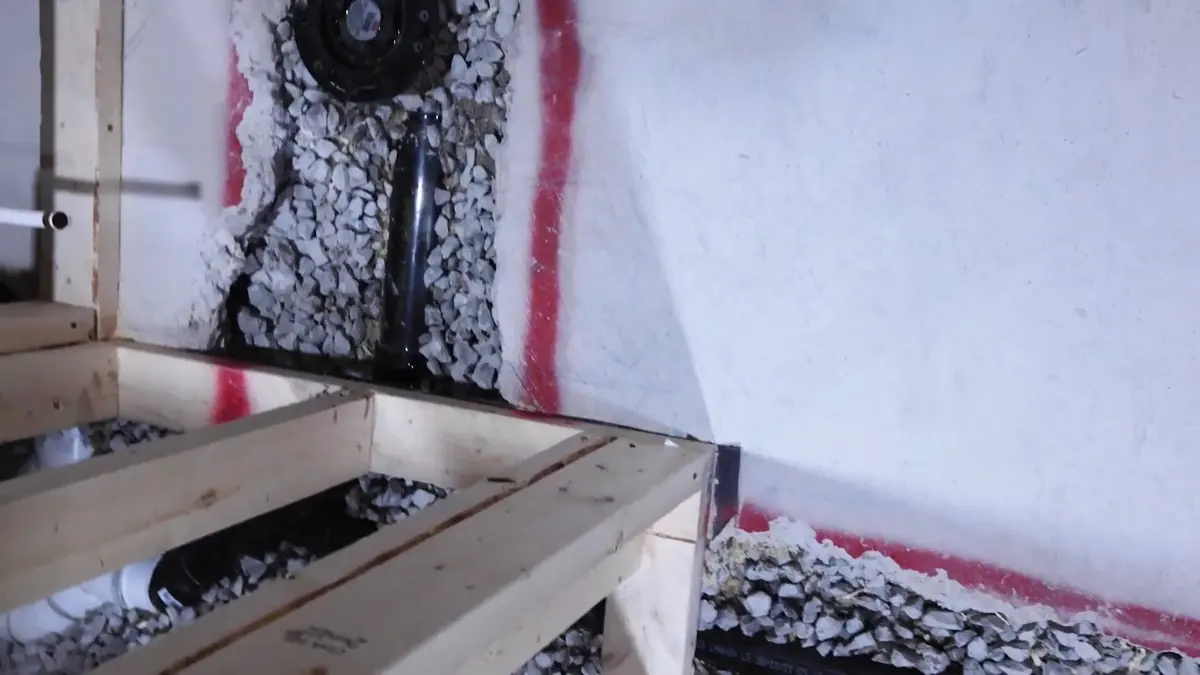
A basement bathroom rough-in involves cutting the concrete floor at the appropriate locations for the toilet flange, shower drain, and sink drain, running the drain lines at proper slope to the stack or ejector basin, installing the toilet flange and drain fittings at the correct rough-in dimensions, and running hot and cold supply stub-outs to the wall locations for each fixture. The concrete is then patched over the new drain lines, leaving the stub-outs accessible from above.
Rough-in dimensions are set based on the intended bathroom layout. The standard toilet rough-in is 12 inches from the wall to the flange center. Shower rough-ins vary by the selected shower pan or custom tile configuration. Setting rough-in dimensions correctly at this stage avoids expensive revisions once the floor slab is poured and the walls are framed.
A permit is required for all basement bathroom rough-ins in Castle Rock. The rough-in inspection, which occurs before the concrete is poured over the drain lines, is the primary permit inspection point. Castle Rock Plumbing Pros coordinates the permit and inspection as part of the rough-in scope.
Ejector pumps for basement fixtures
The municipal sewer main in most Castle Rock neighborhoods runs at an elevation that is above the basement floor level. Gravity drainage from basement fixtures to the sewer main is not possible without first pumping waste upward to the elevation where gravity takes over. This is the function of a sewage ejector pump.
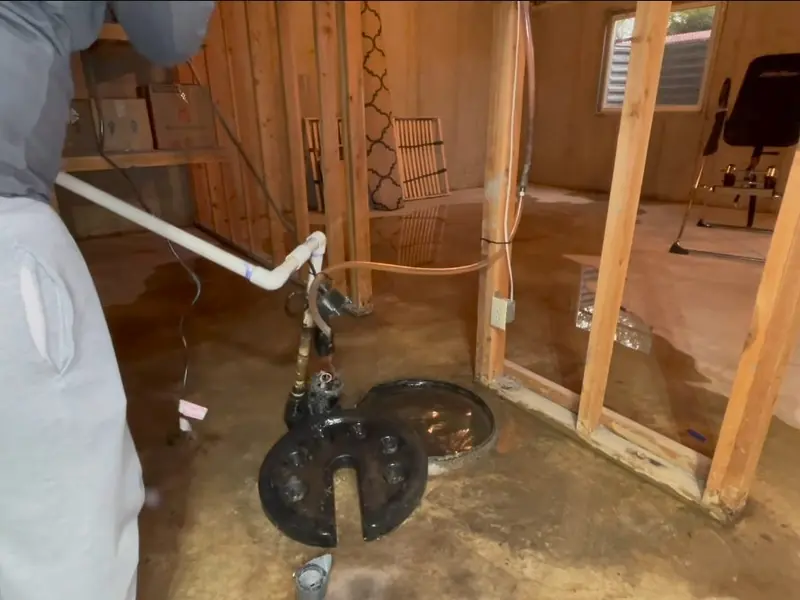
An ejector system consists of a sealed basin cut into the basement floor below the proposed drain elevation, a submersible grinder pump, a check valve on the discharge line, and a vent stack connected to the home's existing vent system. Waste from basement fixtures (toilet, shower, sink) drains into the basin by gravity. When the basin reaches the trigger level, the pump activates and discharges upward through a 2-inch or larger line to the gravity drain system above the basement floor level.
Ejector basins must be sealed and vented properly. Improperly vented or unsealed ejector systems allow sewer gas to enter the finished basement. Castle Rock Plumbing Pros installs ejector systems to current Colorado code and coordinates the permit inspection before any finished wall or floor covers the installation.
Other basement plumbing work in Castle Rock
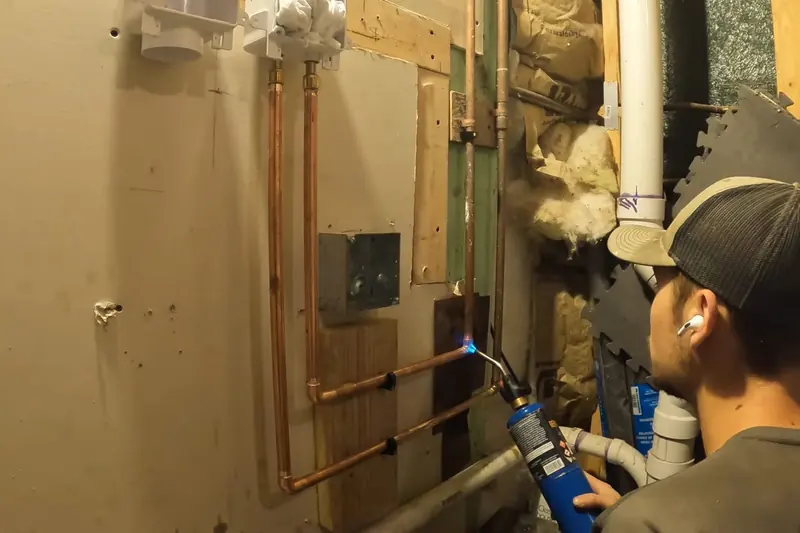
Utility sinks. A utility or laundry sink in the basement is a common addition in Castle Rock's large basement layouts. Utility sinks serve workshop areas, mechanical rooms, and laundry rooms. Installation requires a drain connection to the ejector system or to an accessible drain stack, and hot and cold supply connections.
Wet bars. Wet bar installations in finished Castle Rock basements typically include a bar sink, under-counter refrigerator drain, and in some cases an ice maker water line. Wet bar plumbing connects to the same supply and drain system as the basement bathroom.
Laundry connections. Many Castle Rock homeowners move laundry to the basement as part of a finishing project. New laundry supply connections (hot and cold shutoff valves, correct supply pressure for high-efficiency machines) and a dedicated drain standpipe are part of the installation.
Basement plumbing costs in Castle Rock
| Service | Typical Range |
|---|---|
| 3-piece bath rough-in (without ejector) | $2,500 to $5,000 |
| Ejector pump system installation | $1,800 to $3,500 |
| 3-piece bath rough-in with ejector | $4,000 to $8,000 |
| Utility sink installation | $400 to $900 |
| Wet bar plumbing | $600 to $1,500 |
| Laundry connection (supply + drain) | $300 to $700 |
Ranges for Castle Rock and Douglas County. Permit fee separate. Free estimate after walkthrough and layout review.
Frequently asked questions: basement plumbing in Castle Rock
Yes. A basement bathroom rough-in requires a plumbing permit through the Town of Castle Rock Development Services for properties within the city limits. The permit covers the rough-in inspection (before concrete is poured over the stub-outs) and the final inspection after fixtures are set. Castle Rock Plumbing Pros manages the permit and inspection process as part of the rough-in scope.
In most Castle Rock homes, yes. The municipal sewer main runs at a depth that is above the basement floor elevation in the majority of Castle Rock's housing stock. Fixtures installed below the main sewer elevation cannot drain by gravity and require an ejector pump (sewage ejector) to pump waste up to the gravity drain system. The ejector is installed in a sealed basin below the basement floor level.
A standard three-piece basement bathroom rough-in (toilet, sink, and shower) in Castle Rock typically runs $3,500 to $7,000 depending on the concrete work required, ejector pump inclusion, distance to the existing drain stack, and access conditions. Ejector pump systems add $1,500 to $3,000 if not already present. Permits and inspection fees are additional.
An ejector pump (sewage ejector) grinds and pumps waste from basement fixtures that are below the sewer main elevation up to the level where gravity takes over. They are installed in a sealed PVC basin below the floor. In Castle Rock, ejector pumps typically last 7 to 12 years depending on usage volume and whether solids prohibited from grinder systems (wipes, paper towels) have been introduced. The same pump replacement and maintenance principles that apply to sump pumps apply to ejectors.