Common toilet problems in Castle Rock homes
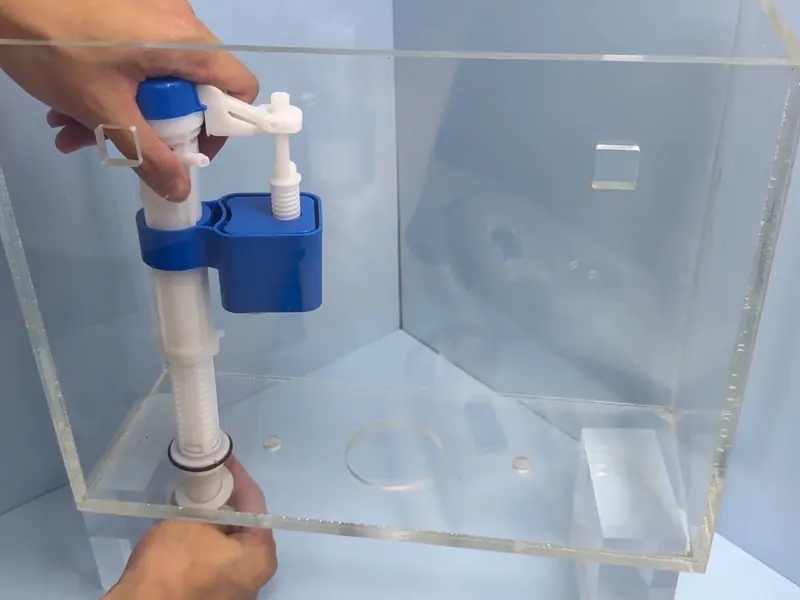
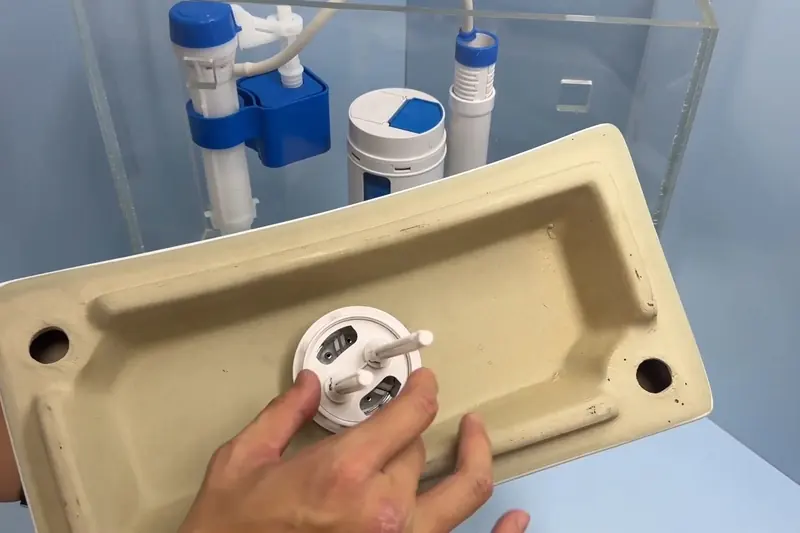
Running toilet. A toilet that runs constantly or periodically fills on its own is the most common call Castle Rock Plumbing Pros receives for toilet service. The cause is almost always a flapper that does not seat fully against the flush valve, or a fill valve that does not shut off at the correct water level. Both are simple repairs. Castle Rock Water's 120 to 180 ppm hardness leaves calcium deposits on flush valve seats over time, preventing flappers from sealing cleanly. In hard water service areas, flappers typically need replacement every three to four years rather than the five to seven expected in softer water markets.
Toilet clog that does not respond to a plunger. Most toilet clogs clear with a plunger, but clogs involving foreign objects, excess tissue, or a partially blocked drain line require a closet auger (toilet snake) to reach and retrieve. Repeated clogs in the same toilet without an obvious cause may indicate a partial blockage further down the drain line or a problem with the toilet trapway.
Wax ring failure. Water pooling at the base of the toilet after flushing, sewage odor at floor level, or a toilet that rocks when in use all point to wax ring failure. The wax ring seals the toilet horn to the floor flange. When it fails, sewer gases and water escape at the floor level. In Castle Rock's basement-heavy housing stock, bathroom rough-ins in finished basements often have flanges set slightly below the finished floor level, which can stress the seal over time.
Slow flush or incomplete flush. Slow or incomplete flushing is typically caused by clogged rim feed holes (the holes under the bowl rim where water enters during flushing), a partially blocked trapway, or a flapper that closes too quickly. Calcium scale from Castle Rock's water supply clogs rim holes faster than in soft-water areas and is often the culprit in older toilets that have not had periodic maintenance.
Toilet installation in Castle Rock
Most Castle Rock homes built from 1980 onward use a standard 12-inch rough-in: 12 inches from the finished wall to the center of the floor flange. Homes near Downtown Castle Rock built before 1970 occasionally have 10-inch or 14-inch rough-ins. Measuring the rough-in before purchasing a toilet saves time and avoids returns.
Castle Rock Water has offered rebate programs for WaterSense-certified toilets using 1.28 gallons per flush or less. At current Castle Rock Water tiered rates, a household replacing two older 3.5-gallon flush toilets with WaterSense models will see a measurable reduction in water bills over a few years. High-efficiency toilets also make sense for Castle Rock's long-term water planning as the city grows.
ADA-compliant comfort height toilets (16 to 18 inches seat height versus the standard 15 inches) are increasingly popular in Castle Rock's aging-in-place renovations. They are compatible with standard rough-ins and require no plumbing modification beyond the toilet swap.
Toilet repair and installation costs in Castle Rock
| Service | Typical Range |
|---|---|
| Flapper or fill valve replacement | $80 to $180 |
| Toilet auger (clog clearing) | $100 to $200 |
| Wax ring replacement and reset | $150 to $320 |
| New toilet installation (supply included) | $350 to $650 |
| New toilet installation (customer-supplied) | $150 to $280 |
| Flange repair or replacement | $150 to $350 |
Ranges for Castle Rock and Douglas County. Same-day availability on most repair calls. Free estimates on planned installations.
Frequently asked questions: toilet service in Castle Rock
A constantly running toilet is almost always caused by a faulty flapper that does not seat fully, a fill valve that does not shut off at the correct water level, or a float set too high. Castle Rock's moderately hard water (120 to 180 ppm) can leave calcium deposits on flush valve seats that prevent flappers from sealing. Flappers on hard-water toilet systems typically need replacement every three to four years rather than the five to seven years expected in softer water areas.
The clearest signs are water pooling at the base of the toilet after flushing, sewage odor at floor level near the toilet, or the toilet rocking when sat upon. Wax ring failure usually results from the toilet shifting off center over time as the floor framing settles. In Castle Rock's basement-heavy housing stock, this is common in older bathroom rough-ins where the flange may have corroded or settled.
The standard rough-in in Castle Rock homes built from 1980 onward is 12 inches from the finished wall to the center of the floor flange. Older homes near Downtown Castle Rock built before 1970 occasionally have 10-inch or 14-inch rough-ins, which require specific toilet models. Measuring the rough-in before purchasing a replacement toilet avoids the need to return equipment.
Castle Rock Water encourages water-efficient fixtures and has offered rebate programs for qualifying WaterSense-certified toilets. High-efficiency toilets using 1.28 gallons per flush or dual-flush models with a reduced option for liquid waste make more sense in a growing municipality with tiered water rates than in markets with unlimited supply. Ask about current Castle Rock Water rebate availability when selecting a replacement toilet.