Gas line work Castle Rock Plumbing Pros handles
New gas line runs. Adding a gas line to serve an outdoor kitchen, built-in grill, fire pit, or generator is one of the more common planned gas projects in Castle Rock's newer neighborhoods. Cobblestone Ranch, Diamond Ridge, Sapphire Pointe, and the Meadows all have a high concentration of homes with outdoor living spaces where a dedicated natural gas connection is preferable to propane tank supply. The new run extends from the interior gas supply through the exterior wall and underground to the appliance location, using approved gas-rated pipe or CSST in protective conduit for the buried section.
Appliance line connections. Running a new branch to connect a gas dryer where the laundry room previously had only an electric connection, adding a gas line to a kitchen for a range conversion, or connecting a gas fireplace insert are all common single-branch gas line projects in Castle Rock homes. Each requires a shut-off valve at the appliance, a pressure test, and a permit inspection.
Gas line repair. Leaking fittings, corroded black iron pipe sections, and CSST fittings that have loosened or been damaged during renovation work all require repair. Any suspected gas leak warrants an immediate call to the gas utility's emergency line before a plumber arrives.
Gas line pressure testing. Before any new gas piping is placed in service, pressure testing confirms that the system holds at the required test pressure for the required duration. Castle Rock Plumbing Pros performs pressure testing as part of every gas line installation and provides the documentation required for the Town of Castle Rock permit inspection.
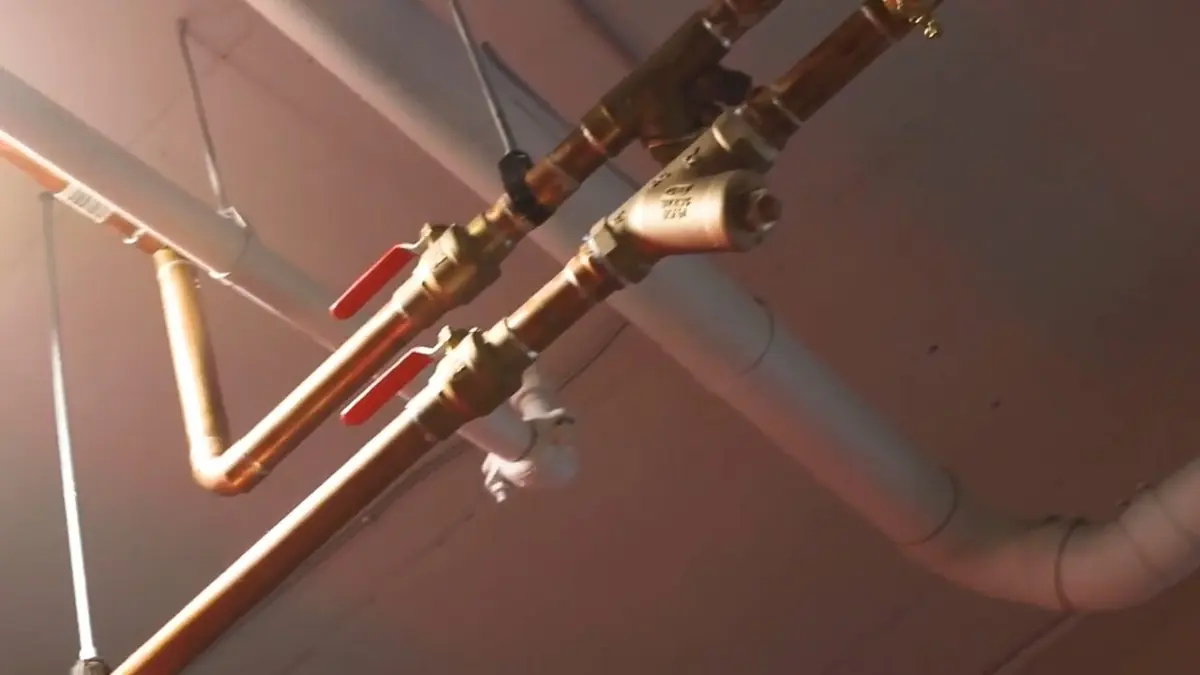
CSST vs. black iron pipe in Castle Rock gas installations
Black iron pipe (also called threaded steel pipe) was the standard residential gas piping material for decades. It remains code-approved and preferred by some plumbers for certain applications, particularly long straight runs in accessible locations like garage ceilings. It is rigid, durable, and does not require bonding beyond standard grounding practices.
CSST (corrugated stainless steel tubing) is flexible and installs significantly faster than threaded black iron, which makes it cost-effective for runs through walls, around corners, and in finished spaces. It has been code-approved in Colorado since the 1990s. Current Colorado and Castle Rock code requires arc-fault bonding for all CSST installations, which involves connecting the CSST to the home's electrical grounding system at one or more points to protect against lightning-induced arc events. Castle Rock Plumbing Pros ensures all CSST installations include proper bonding documentation and inspection.
For most residential Castle Rock applications, CSST is the preferred material for new runs due to its installation efficiency and ability to route through finished spaces without as many fittings. Black iron is often used at connections to appliances and in the main supply run where the rigid installation is easier to support.
Permits and inspections for gas line work in Castle Rock
The Town of Castle Rock requires a gas piping permit for all new gas line installations and for repair work that involves replacing gas piping beyond a single appliance connection. The permit triggers a pressure test inspection before the work is covered by drywall or backfilled. For outdoor installations, the permit coordinates the trench inspection before the line is buried.
Castle Rock Plumbing Pros manages the permit and inspection process for all gas line projects. Homeowners who have gas line work done without permits risk issues with homeowner's insurance gas-related claims and with home sale inspections that flag unpermitted gas work as a disclosure item.
Gas line installation costs in Castle Rock
| Service | Typical Range |
|---|---|
| Single-appliance branch line (interior) | $250 to $600 |
| Outdoor kitchen or fire pit gas run | $600 to $1,800 |
| Generator gas connection | $500 to $1,200 |
| Gas line repair (fitting or section) | $150 to $500 |
| Pressure test only (inspection prep) | $100 to $200 |
Ranges for Castle Rock and Douglas County. Permit fee is separate. Free estimates on new installations. Outdoor runs vary significantly by distance.
Frequently asked questions: gas line service in Castle Rock
Yes. Gas piping work in Castle Rock requires a plumbing or gas permit through the Town of Castle Rock Development Services for properties within city limits, or Douglas County Building and Inspection for unincorporated properties. The permit process includes a pressure test inspection before the work is covered. Castle Rock Plumbing Pros pulls the permit and coordinates inspections as part of the installation.
CSST (corrugated stainless steel tubing) is flexible gas piping widely used in residential applications since the 1990s. It is approved for Castle Rock installations under current Colorado codes when properly bonded to the electrical grounding system. Current code requires arc-fault bonding for all CSST in new and retrofit installations. Castle Rock Plumbing Pros ensures bonding compliance on every CSST installation.
Yes. Buried outdoor gas lines for kitchens, fire pits, and grills are a common installation in Castle Rock's newer neighborhoods. The line runs from the interior gas supply through the exterior wall and underground to the outdoor appliance. The underground run uses approved gas-rated pipe or CSST in a conduit. Permits are required for all new gas line runs, including those serving outdoor appliances.
Natural gas is odorized with mercaptan, which produces a distinctive rotten egg smell. If you detect this odor inside or near the home, do not operate any electrical switches, do not use the phone inside, and leave the building immediately. Call the gas utility's emergency line from outside the building, then 911 if you suspect a serious leak. Do not re-enter until the utility has cleared the property.